


Cast heat-resistant boiler grate bars
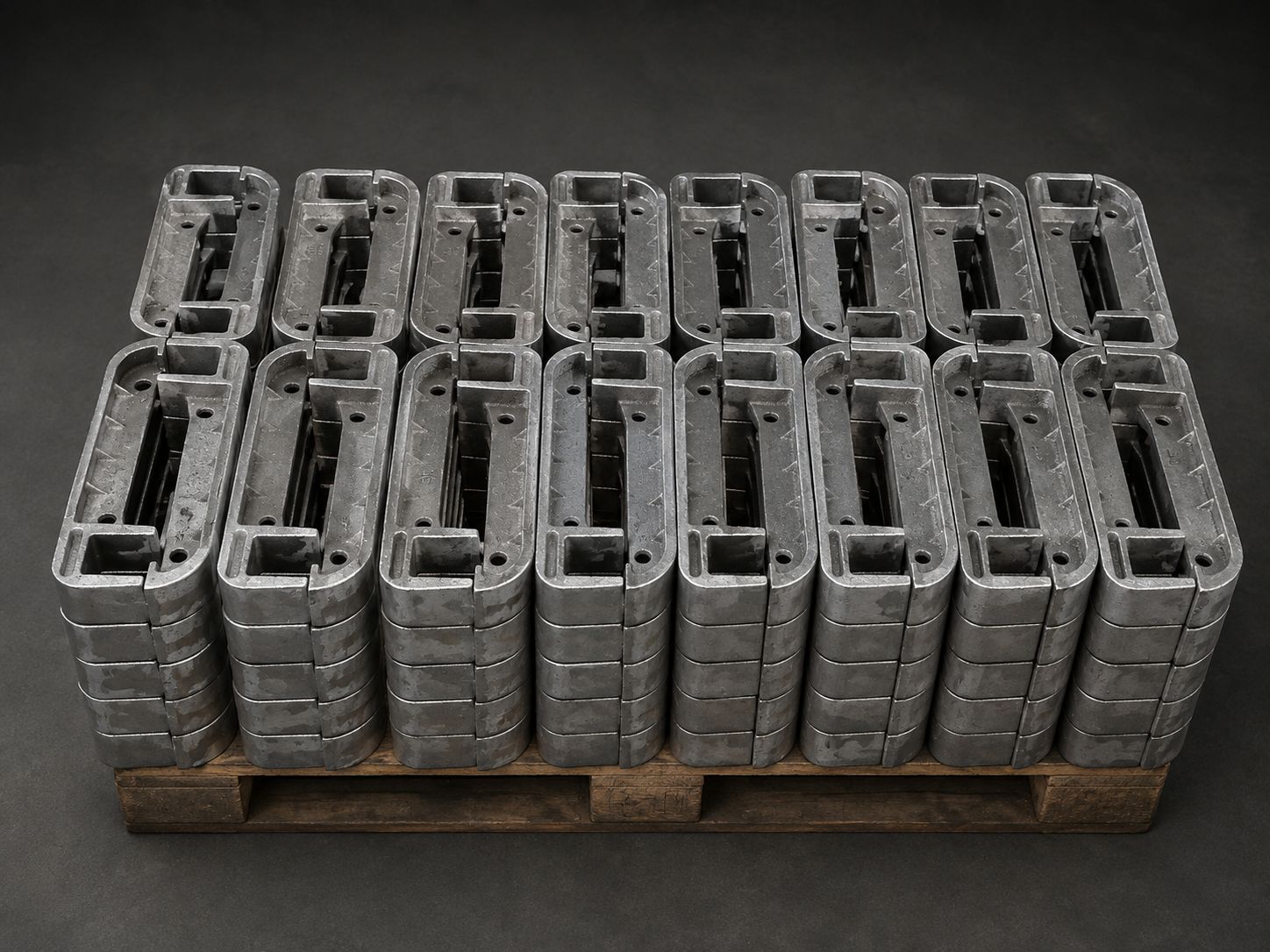
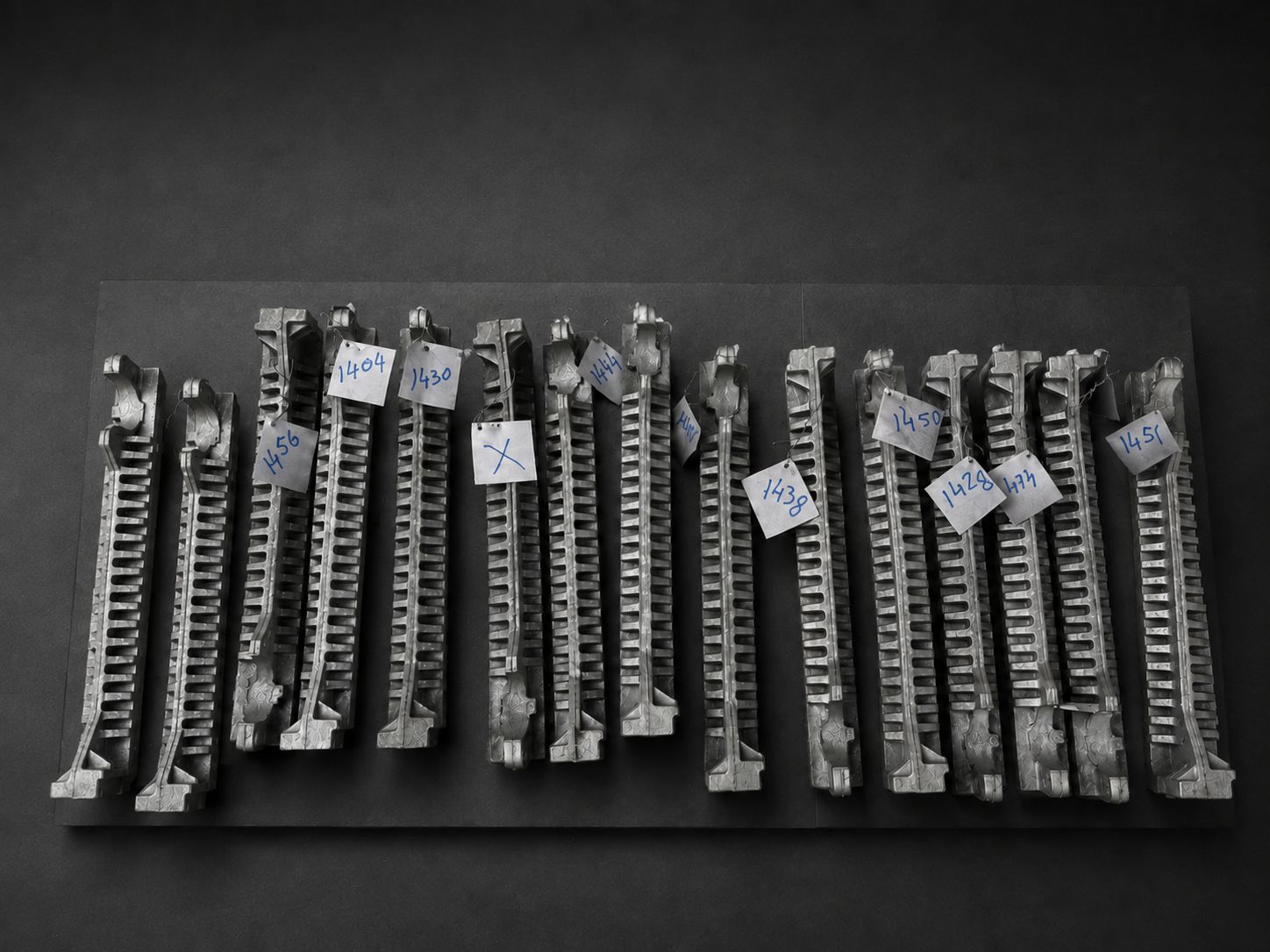
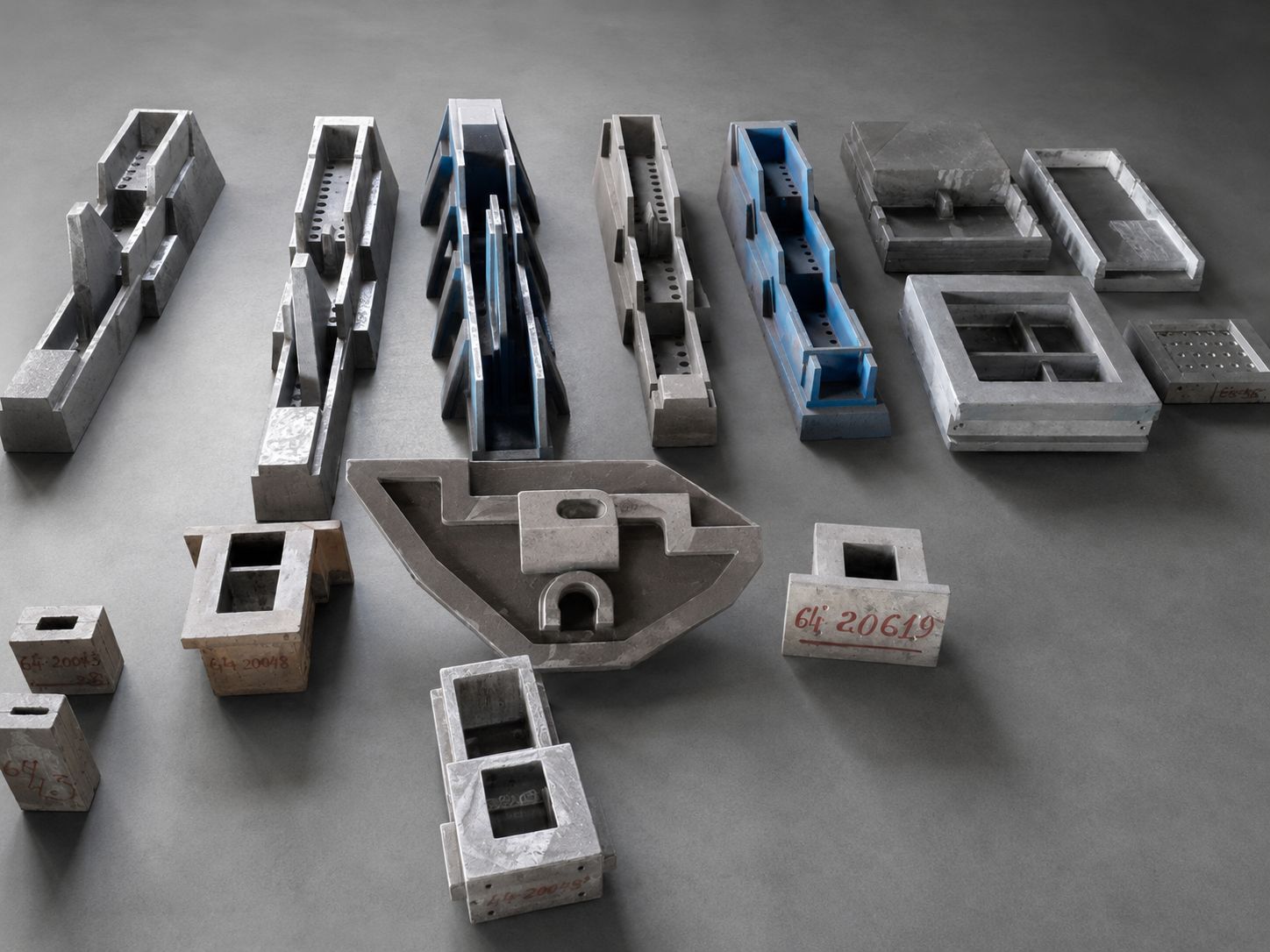
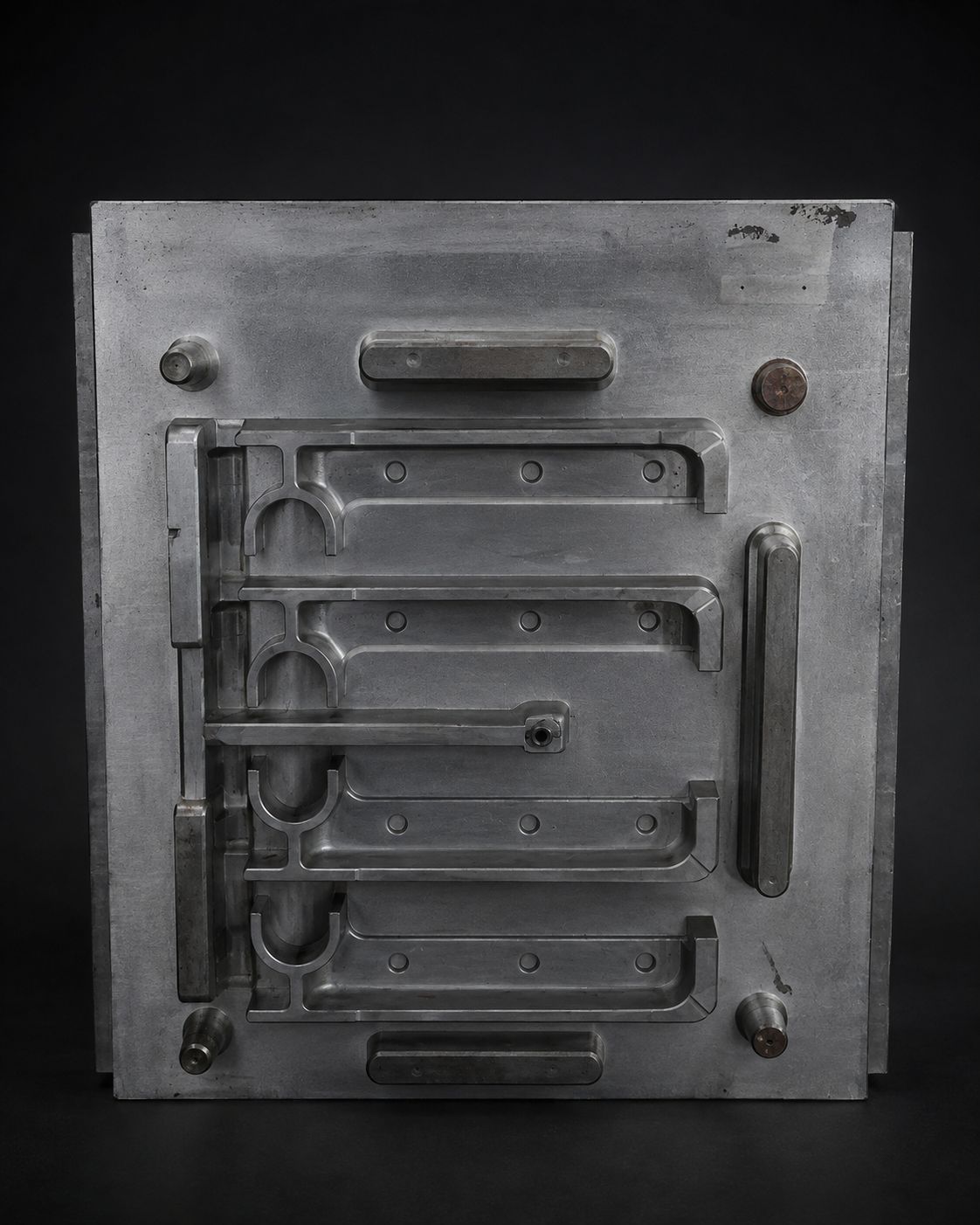
Cast heat-resistant boiler grate bars
The project was not about simply reproducing the shape of a grate, but about solving an operational problem in industrial solid-fuel boilers: rapid burnout, oxidation, wear and loss of part geometry in the furnace zone.
For the customer, such a casting directly affects the interval between repairs. A faulty grate means stopping the boiler, dismantling the grate assembly, replacing elements and restarting the equipment. Therefore, the key task was not minimum weight or the lowest part price, but predictable service life and stable batch quality.
Project features
- The part operates at high temperature, in an oxidizing environment, ash and abrasive fuel exposure.
- The design combines thin sections, ribs, mounting holes and zones of local mechanical load.
- There is a risk of warping, accelerated scale formation and failure during heating and cooling cycles.
- It was necessary to ensure not only the chemical composition but also the correct material microstructure.
Solution
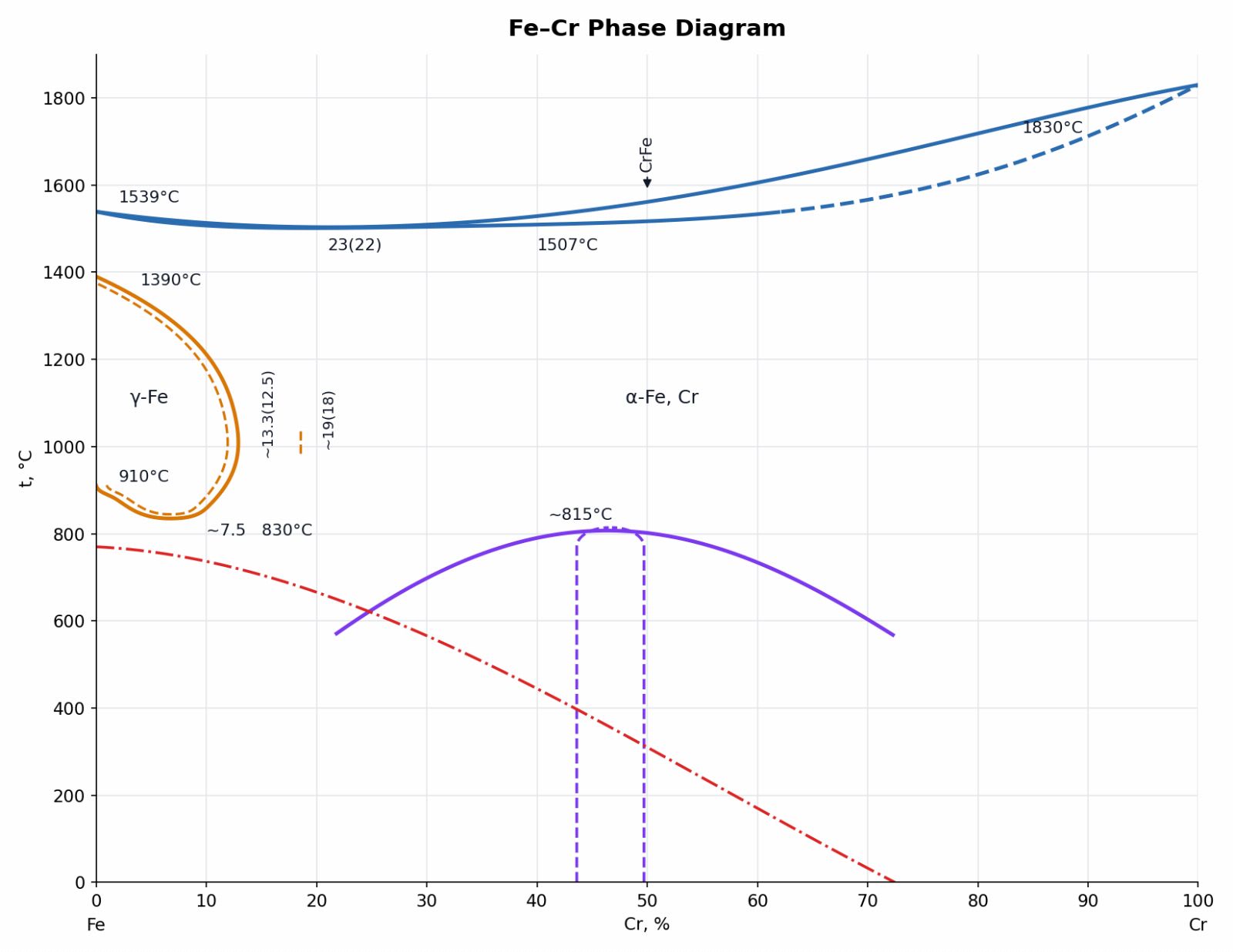
Special heat-resistant foundry materials were used for different grate types: high-chromium heat-resistant cast iron for oxidation and abrasion resistance, and SiMo cast iron EN-GJS-SiMo40-10 / 5.3115 for parts operating at elevated temperatures and under cyclic loads.
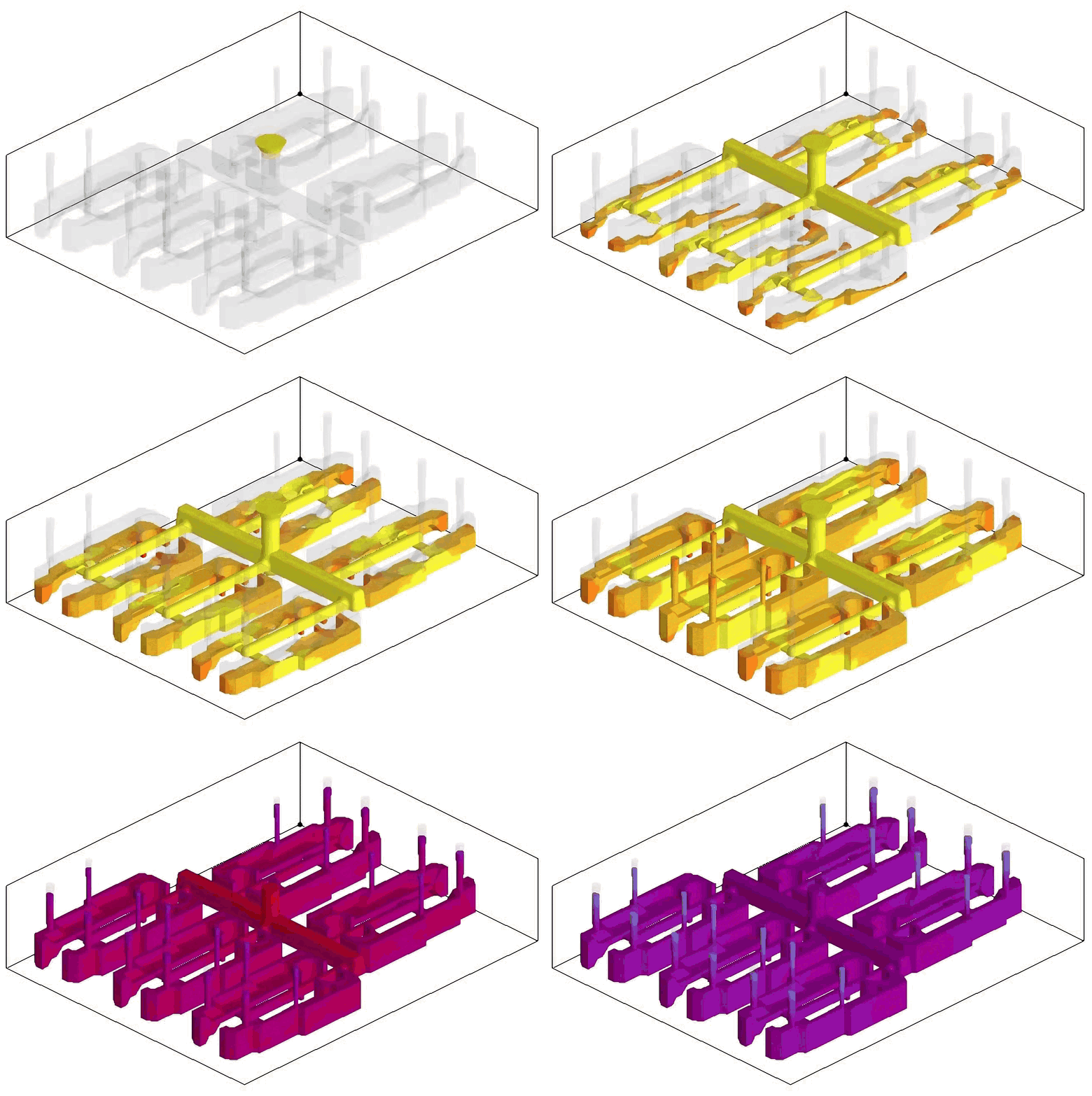
A key part of the project was developing the combination of chemical composition, casting technology, heat treatment and metallographic control. For some sizes, sand cores were used; drafts, ribs, thicknesses and critical areas were refined so that the part would retain its working geometry in an actual boiler.
Control and result
- Control of melt chemical composition, carbon and sulphur.
- Inspection of geometry, visual quality and hardness.
- Metallographic structure control by batch.
- Development of dozens of sizes and series production of similar products.
As a result, customers received more predictable grate operation between scheduled repairs, reduced replacement frequency and lower risk of unscheduled boiler shutdowns. For West Baltic Group, this project became an example of how materials science and casting technology become a practical advantage for an industrial customer.